Green Fencing Solutions: Sustainable Choices for the Eco-Conscious Homeowner
Sustainable fencing provides a smart option for homeowners prioritizing sustainability. This solution not only boosts property value but also reduces ecological harm. Various options, such as bamboo and recycled plastic, offer durability and aesthetic appeal. Grasping the merits and materials at hand is vital for reaching educated conclusions. As homeowners explore these sustainable alternatives, they may discover unexpected advantages that extend beyond mere aesthetics. What additional elements deserve attention in this expanding movement?
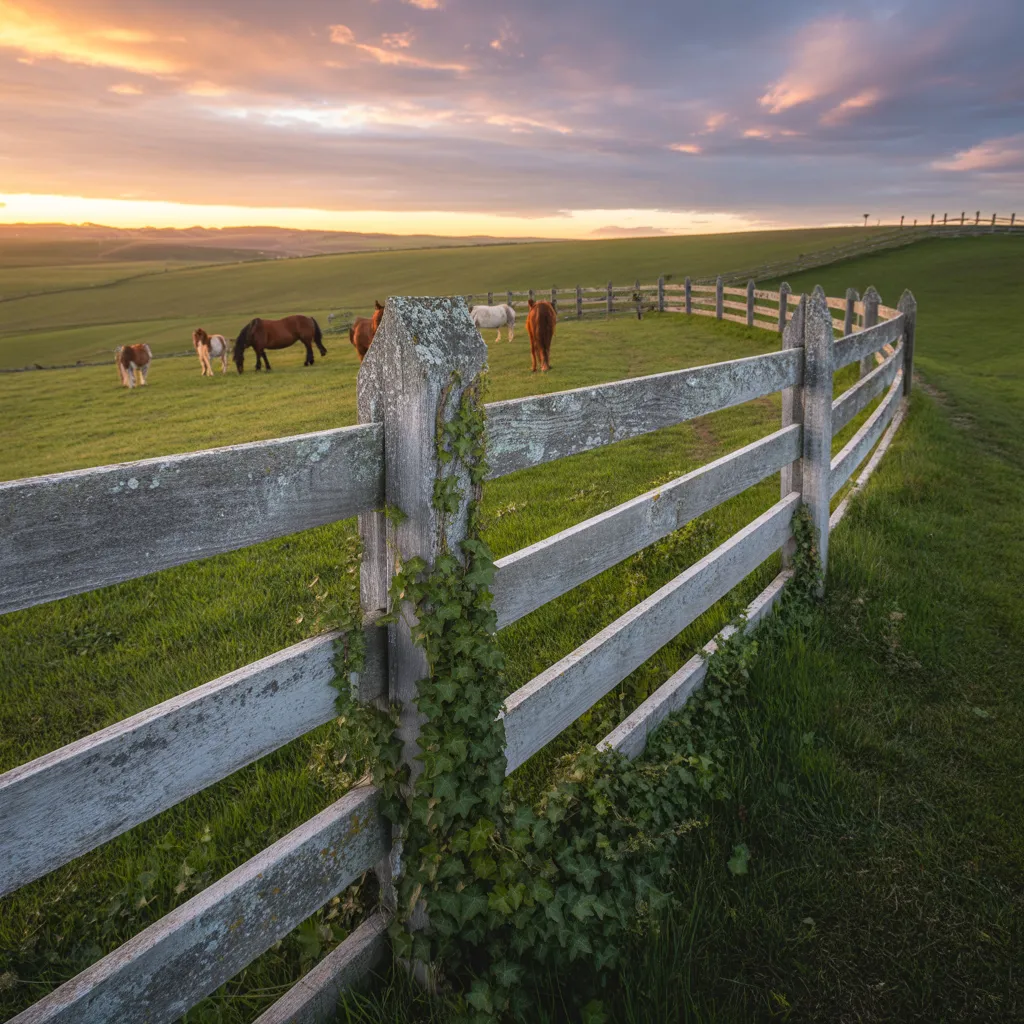
Why Should You Consider Sustainable Fencing?
Although many homeowners focus on aesthetics and durability in their fencing choices, the ecological consequences of materials often goes overlooked. Sustainable fencing options present a way to reduce ecological footprints while improving property lines. By choosing materials sourced from renewable resources, property owners can help in preserving forests and natural habitats. This selection decreases dependence on finite resources, which are often linked to destructive harvesting methods.
Additionally, environmentally conscious fencing can foster biodiversity by providing habitats for local wildlife. Fencing constructed from recycled materials or responsibly sourced wood can help minimize landfill waste. Opting for eco-friendly alternatives commonly yields lasting economic rewards, as these materials tend to require less maintenance and have longer lifespans. In the end, selecting eco-friendly fencing demonstrates a dedication to environmental responsibility, empowering residents to develop gorgeous outdoor settings while preserving the well-being of the earth.
Popular Environmentally Friendly Fencing Options
When evaluating eco-friendly fencing options, bamboo and recycled plastic rank among the most sought-after alternatives. Bamboo presents an eco-conscious and attractive choice, while recycled plastic ensures resilience and ease of care. Both options contribute to environmental conservation without sacrificing functionality or style.
Bamboo Fencing Benefits
Bamboo fencing provides a wide range of advantages that make it a favored option for environmentally aware homeowners. First and foremost, bamboo is a rapidly renewable resource, growing much faster than traditional timber, which helps reduce deforestation. Its innate strength and long-lasting nature form a solid barrier that holds up well against diverse weather conditions. Additionally, bamboo fencing is lightweight and easy to install, making it a convenient option for DIY projects. The decorative allure of bamboo lends a one-of-a-kind, natural character to any property, harmonizing beautifully with outdoor environments. Beyond that, bamboo features natural resistance to pests, decreasing the necessity for chemical interventions. By opting for bamboo, homeowners can both improve their outdoor areas and make a meaningful contribution to environmental sustainability.
Recycled Plastic Alternatives
Recycled plastic fencing provides an innovative and eco-friendly alternative for sustainability-focused homeowners. Made from post-consumer plastic waste, this fencing option keeps materials out of landfills while providing long-lasting durability with minimal upkeep. Built to withstand rot, pests, and harsh weather, recycled plastic fencing retains its aesthetic appeal for years, removing the necessity for regular replacements. Offered in a wide range of styles and colors, it is capable of replicating the look of natural wood while offering greater overall longevity. Furthermore, this eco-friendly option helps lower carbon footprints, as the production method generally demands less energy compared to new plastic manufacturing. Those in search of sustainable fencing alternatives may find recycled plastic fencing to be a practical and attractive option for their yards and outdoor areas.
Environmentally Friendly Fencing Materials: What You Need to Know
As more homeowners look for sustainable options, green fencing materials have risen as a key element in landscape design. Not only do these materials reduce environmental harm, but they also elevate the visual charm of outdoor areas.
Bamboo remains a widely preferred material, recognized for its quick regeneration and eco-friendly properties. Sustainably sourced treated wood, harvested from responsibly managed forests, delivers exceptional resilience while actively combating deforestation. Recycled materials, such as plastic composites, merge the advantages of conventional fencing with environmentally responsible methods, offering enduring quality without compromising the health of the environment.
Additionally, metal alternatives like steel and aluminum are widely preferred for their eco-friendly recyclability and low upkeep needs. Natural stone and living fences, such as shrubs and hedges, additionally promote local biodiversity.
When picking out green fencing solutions, homeowners should think about key factors like sustainability, longevity, and maintenance to confirm their selection is in line with both environmental goals and personal preferences.
Putting Up Eco-Friendly Fencing
Next, marking the boundaries accurately eliminates encroachment and ensures alignment with local requirements. Homeowners may need to consult with neighbors to promote a collaborative effort. During installation, using non-toxic adhesives and finishes will further enhance the environmental benefits.
Furthermore, evaluating the fence design can improve appearance while limiting resource use. For example, choosing pre-fabricated panels can reduce construction waste. Finally, hiring skilled installers familiar with eco-friendly practices can assure that the project is finished both efficiently and responsibly. By following these steps, homeowners can establish a stunning, effective, and environmentally friendly fence.
Preserving Your Eco-Friendly Fence
Although maintaining an eco-friendly fence may seem straightforward, it demands careful consideration to ensure its durability and environmental integrity. Routine checks should be performed to detect any indications of deterioration or harm, most notably in naturally sourced materials like timber. Cleaning the fence with biodegradable soaps can help prevent mold and mildew without harming the environment.
In addition, incorporating natural protective solutions, for example linseed oil, will improve durability without compromising environmental sustainability. Homeowners and residents must also consider surrounding plant life; unchecked plant growth are known to cause damage and attract unwanted pests. Cutting back foliage guarantees proper airflow and reduces moisture accumulation.
Lastly, when making repairs, employing recycled or sustainably sourced materials complements green principles. By investing time and effort into maintenance, homeowners can protect their eco-friendly fences, ultimately fostering a sustainable lifestyle while improving the aesthetic appeal of their properties.
Budgeting for Eco-Friendly Fencing
When budgeting for eco-friendly fencing, the cost of materials plays a significant role in shaping decisions. Homeowners must weigh the initial investment against the long-term savings potential these sustainable options can provide. Gaining insight into both factors can result in smarter decisions that are good for both the planet and personal finances.
Cost Considerations for Materials
How can homeowners effectively budget for eco-friendly fencing options while maintaining a balance between sustainability and cost? Property owners should start by investigating various materials, such as bamboo, recycled wood, or composite alternatives, each with different price points. Understanding local market prices is essential, as availability can greatly impact costs. Additionally, installation expenses should be factored in, as some materials might require professional installation, while others can be handled as DIY projects. It is also important to evaluate the longevity and maintenance costs of each option, as certain sustainable materials may come with higher initial costs but reduced maintenance expenses. By weighing these considerations, homeowners can create a budget that reflects their environmental values without sacrificing financial viability.
Long-Term Savings Potential
Investing in eco-friendly fencing can lead to significant long-term savings that make it more attractive despite upfront expenses. Green materials like bamboo or recycled composites generally need less maintenance compared to standard choices, lowering recurring costs. Furthermore, numerous eco-friendly fencing options are built to last, reducing the frequency of replacements. Eco-efficient additions, including solar-powered lighting incorporated into fencing, can amplify savings by reducing utility costs. Homeowners may also benefit from increased property value, as eco-friendly features are increasingly sought after. Taking these elements into account, property owners can plan wisely for eco-friendly fencing options that safeguard the environment while delivering monetary advantages over time.

Common Questions and Answers
How Does Eco-Friendly Fencing Impact Local Wildlife?
Sustainable fencing positively impacts native wildlife by creating view information about natural environments, limiting exposure to harmful chemicals, and promoting biodiversity. These sustainable materials frequently integrate naturally with the natural surroundings, fostering the existence of diverse species and strengthening overall ecosystem vitality.
Do Eco-Friendly Fences Hold Up Against Harsh Weather Conditions?
Environmentally conscious fences are capable of withstanding harsh weather conditions, based on the type of materials selected. Several green fencing choices, such as treated wood or composite materials, deliver resistance to temperature changes, wind, and rain, promoting lasting performance while lessening ecological impact.
What Are the Health Benefits of Sustainable Fencing Materials?
Environmentally conscious fencing options, typically containing no toxic substances, foster cleaner surroundings. These materials minimize the risk of toxic contamination, improve the quality of surrounding air, and commonly incorporate repurposed resources, promoting general health and wellness for both individuals and ecosystems.
Do Tax Incentives Exist for Installing Eco-Friendly Fencing?
Indeed, numerous tax incentives are available for installing eco-friendly fencing. Homeowners may qualify for deductions or credits, according to local guidelines and programs aimed at promoting sustainable practices, thus fostering environmentally conscious decisions in home improvement projects.
What Is the Responsible Way to Dispose of Old Fencing Materials?
To get rid of worn fencing components in an environmentally conscious way, homeowners should get in touch with local recycling authorities for recycling options, contribute reusable materials to local community initiatives, or participate in bulk waste pickup programs for sustainable and responsible disposal.